
Mike Tyson in Training
Updated: Aug 30
Mike Tyson: Your Ultimate Guide to Mike Tyson's Training Life, Motivation, and Everything in Between!

Mike Tyson in Training: Inside the Beast’s Unrelenting Regimen
When people speak of raw power and intimidation in boxing, one name stands out — Mike Tyson. From the tough streets of Brooklyn to becoming the youngest heavyweight champion ever, Mike Tyson in training tells a legendary story. What made his body and mind so lethal? Let's explore the intense world of Mike Tyson training, including his daily routine, diet, mental conditioning, and lifestyle.

Mike Tyson's Training: From the Streets to the Ring: Mike Tyson’s Backstory
Before we delve into the Mike Tyson training programme, it’s crucial to understand the man behind the gloves. Born in 1966 in Brownsville, Brooklyn — one of New York’s toughest neighborhoods — Mike Tyson faced a troubled childhood. He was arrested dozens of times before he turned 13. However, everything changed when he discovered boxing.
His mentor, Cus D'Amato, took Tyson in, trained him, and shaped his mindset into that of a warrior. “Cus didn’t just teach me how to fight; he taught me how to think,” Tyson once remarked. The powerful mentor-protégé relationship helped propel Tyson to boxing greatness.
D’Amato believed in Tyson’s potential. He instilled discipline and confidence in him. By age 20, Mike Tyson in training was already a near-mythical concept. His training camp was a spiritual forge—not just focusing on physicality, but also on mental strength.

Mike Tyson in Training: Programme; Brutal, Relentless, Effective
Daily Routine of Mike Tyson in Training
Mike Tyson’s brutal training was notorious for its intensity. Under trainer Cus D’Amato, Tyson followed a gruelling routine. It began at 4 a.m. with a 5-mile run, followed by 8–10 hours of training each day. This included 600 sit-ups, 400 push-ups, 500 dips, and 10 rounds of sparring.
His regimen also incorporated intense bag work, calisthenics, neck exercises, and the study of fight tapes. Tyson’s relentless routine shaped his explosive power, speed, and endurance—making him one of boxing's most feared heavyweights.
Here's a typical day in the life of Mike Tyson training:
4:00 AM - Roadwork
3-5 miles run before sunrise
Focus on stamina and mental discipline
10:00 AM - Boxing Training
10 rounds of sparring
Mitt work, bag work, and foot drills
Speed, accuracy, defence training
12:00 PM - Calisthenics
500 push-ups
500 dips
2,000 sit-ups
Neck bridges for durability
1:00 PM - Lunch & Rest
3:00 PM - Boxing Technique
Studying tapes of past opponents
Ring movement, combos, defence
6:00 PM - Mental Training
Meditation, visualization
Discussions with Cus D’Amato about fear and purpose
8:00 PM - Dinner & Sleep
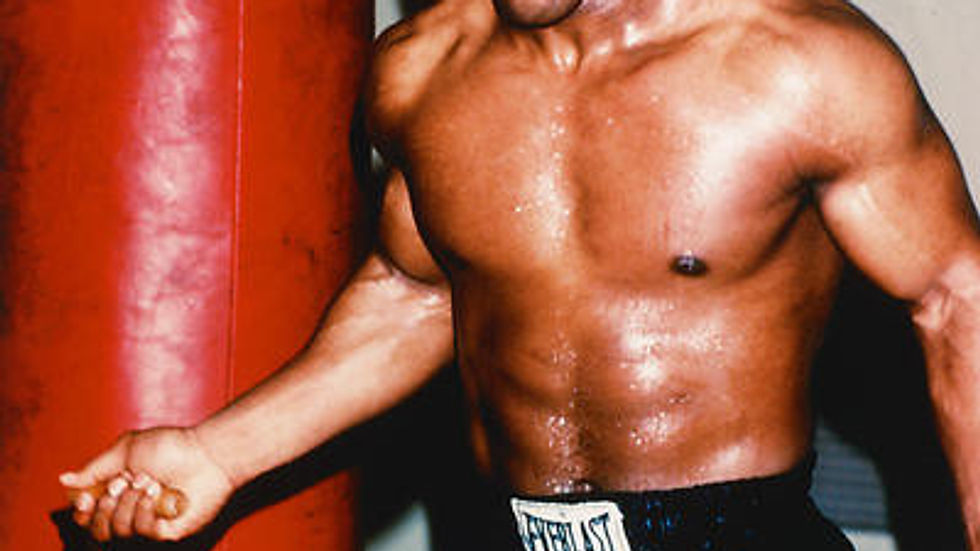
The Psychology of a Predator: Mike Tyson in Training
Mike Tyson’s fight psychology combined fear management, mental conditioning, and controlled aggression. This was heavily shaped during Mike Tyson in training with Cus D’Amato. He taught Tyson to see fear as a tool, not a limitation. Tyson learned to channel fear into focus and energy.
Tyson visualized success every day, rehearsing fights in his mind. He used intense eye contact and silence to intimidate his opponents before the first punch. This psychology gave him a powerful edge, allowing him to fight with ruthless confidence.
A significant part of the Mike Tyson training programme was psychological conditioning. Cus D’Amato instilled "controlled fear" into Tyson, teaching him to:
Use fear as a motivator, not a hindrance
Visualize victories in detail nightly
Reaffirm greatness through mental repetition
"I’m the best ever. I’m the most brutal and vicious champion there’s ever been." — Mike Tyson
Mental acuity was just as important as physical skills in Mike Tyson training.

Fuelling Mike Tyson's Training: Diet During Training Camp
Maintaining a body like Tyson's required a disciplined diet. Here is what Mike Tyson in training typically consumed:
Breakfast
Oatmeal
Egg whites
Orange juice
Lunch
Chicken breast or steak
Brown rice or whole wheat pasta
Mixed vegetables
Dinner
Grilled fish
Sweet potatoes
Salad with olive oil
Snacks
Protein shakes
Fruits (bananas, apples)
Tyson avoided junk food and kept his sugar intake low. This rigorous approach was essential for his extraordinary physique.
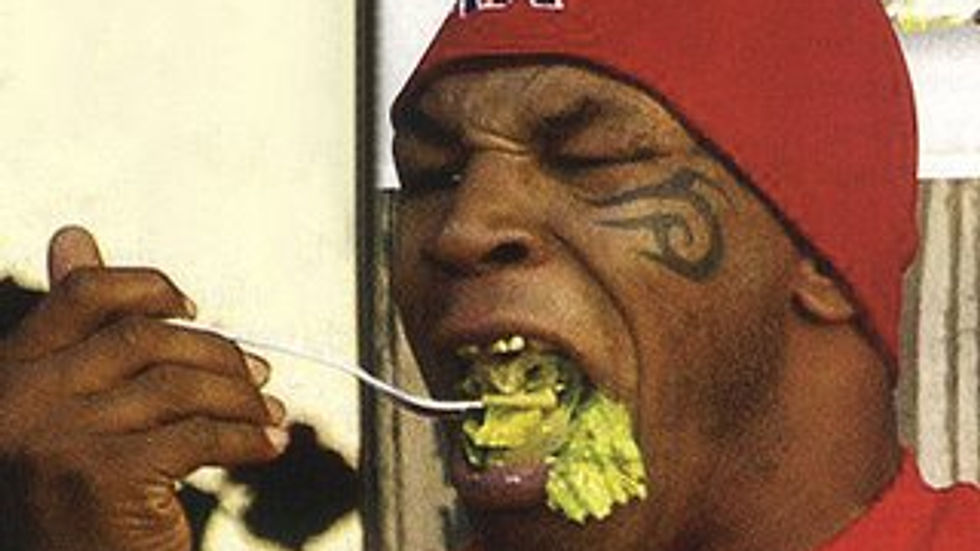
Life Around Mike Tyson’s Training Camp
Life for Tyson during training camp was intensely disciplined and focused. Under Cus D'Amato’s strict supervision in the Catskill Mountains, Tyson followed a rigid routine. This included early morning runs, gruelling gym sessions, and consistent mental conditioning.
Tyson lived in a near-isolated setting to avoid distractions, aiming to hone his skills. Training camp was not just about physical preparation; it was a mental boot camp. Tyson learned to channel his aggression, fear, and energy into his craft.
In training camp, Mike Tyson in training followed a monk-like lifestyle:
No distractions, no parties
Early to bed, early to rise
Constantly studying past champions like Jack Dempsey and Sonny Liston
A tight-knit team focused solely on preparation
This disciplined lifestyle forged a fighter who didn’t just win — he devoured his opponents.

Mike Tyson in Training
Mike Tyson in Training – Power, Precision, and Mental Ferocity
Mike Tyson in training was fuelled by discipline, intensity, and purpose. Under the legendary Cus D'Amato, his routine centred on the peek-a-boo boxing style. This emphasized head movement, explosive counter-punching, and close-range power.
Tyson's daily routine included 5 a.m. runs, bag work, sparring, and countless repetitions to develop speed, accuracy, and endurance. What truly set Tyson apart was his mental toughness. D'Amato equipped him with a warrior mindset. Each session aimed to push limits and cultivate a killer instinct.
This combination of physical brutality and psychological focus made Mike Tyson in training one of the most feared and respected regimens in boxing history:
Young Mike Tyson shadowboxing in the Catskill gym
Tyson running in a hoodie at dawn
Mike doing sit-ups with iron chains
Candid shot of Tyson meditating in his room
Final Thoughts: Mike Tyson in Training: A Training Legacy
The phrase Mike Tyson in training signifies more than just a workout routine—it's a symbol of total dedication. The Mike Tyson training programme epitomizes discipline, intensity, and mental warfare. This intense regimen produced not only a champion but a force of nature.
Whether you’re a fighter, athlete, or simply pursuing a goal, inspiration can be found in the iron will of Mike Tyson in training.
At DBT Apparel, we revolutionize boxing. We study the market and craft boxing essentials that exceed basic needs. Unlike many shops that focus solely on gloves and shoes, we prioritize the real game-changers. Our products, from premium boxing wraps to custom-fit gum shields, cater to every fighter's needs. If you're serious about your craft, choose DBT Apparel for effective boxing equipment that makes an impact.

Now that you know the story behind this legendary fighter and how he began boxing, why not learn how to start your own journey with our free info Hub? Find out everything you need, how to use it, and gain essential boxing routines!
Check out our boxing training programmes and boxing legend biography's here:
Or are you now itching to get boxing? Check out our boxing gear here:
Mike Tyson FAQ – Most Asked Questions About the Boxing Legend
Few boxers have had a greater impact on the sport than Mike Tyson. Known for his explosive power, aggressive style, and incredible rise to become the youngest heavyweight champion in history, Tyson remains one of the most searched and talked-about figures in boxing. Here are answers to some of the most commonly asked questions about "Iron Mike."
Mike Tyson FAQ
Who is Mike Tyson?
Mike Tyson is a former professional boxer from the United States who became one of the most famous heavyweight champions in boxing history. He is widely regarded as one of the hardest punchers the sport has ever seen.
How old is Mike Tyson?
Mike Tyson was born on June 30, 1966.
What is Mike Tyson famous for?
Tyson is famous for becoming the youngest heavyweight champion in boxing history, his devastating knockout power, and his dominance during the late 1980s.
How old was Mike Tyson when he became heavyweight champion?
Tyson became the youngest heavyweight champion in boxing history at just 20 years old when he defeated Trevor Berbick in 1986.
What was Mike Tyson's boxing record?
Tyson finished his professional boxing career with 50 wins, 6 losses, and 44 victories by knockout.
How many knockouts did Mike Tyson have?
Mike Tyson won 44 of his professional fights by knockout, earning a reputation as one of boxing's most feared punchers.
Why was Mike Tyson called "Iron Mike"?
The nickname "Iron Mike" came from Tyson's incredible punching power, toughness, and aggressive fighting style inside the ring.
How tall is Mike Tyson?
Mike Tyson is approximately 5 feet 10 inches (178 cm) tall.
How much did Mike Tyson weigh when fighting?
Tyson typically competed between 215 and 225 pounds (98–102 kg) during his prime years as a heavyweight boxer.
Was Mike Tyson a heavyweight?
Yes. Tyson competed in the heavyweight division throughout his professional boxing career.
Who trained Mike Tyson?
Tyson was famously trained by Cus D'Amato, who played a major role in developing his fighting style, confidence, and mindset.
What boxing style did Mike Tyson use?
Tyson primarily used a peek-a-boo style developed by Cus D'Amato. The style featured head movement, defensive slipping, explosive combinations, and relentless pressure.
What is the peek-a-boo boxing style?
The peek-a-boo style involves keeping the gloves high, using constant head movement, and closing distance quickly to launch powerful combinations.
Was Mike Tyson the youngest heavyweight champion ever?
Yes. Tyson still holds the record as the youngest heavyweight champion in boxing history.
What was Mike Tyson's hardest punch?
While it's impossible to measure exactly, Tyson's left hook and right uppercut are often considered among his most devastating punches.
Did Mike Tyson have a strong jab?
Yes. Although famous for his power punches, Tyson's jab was extremely effective and helped him close distance against taller opponents.
What made Mike Tyson so powerful?
Several factors contributed to Tyson's power:
Exceptional technique
Explosive leg drive
Rotational strength
Speed
Timing
Aggressive mindset
Consistent training
How many world titles did Mike Tyson win?
Tyson held multiple heavyweight world championships and became the undisputed heavyweight champion during his career.
Who did Mike Tyson lose to?
Some notable opponents who defeated Tyson include:
Buster Douglas
Evander Holyfield
Lennox Lewis
What happened in the Mike Tyson vs Evander Holyfield fight?
The rematch between Tyson and Holyfield became one of boxing's most famous and controversial fights due to the incident where Tyson bit Holyfield's ear.
Is Mike Tyson one of the greatest boxers of all time?
Many boxing fans and experts consider Tyson one of the greatest heavyweight boxers ever due to his achievements, influence, and dominance during his prime years.
Did Mike Tyson retire from boxing?
Yes. Tyson officially retired from professional boxing in 2005, although he later returned for exhibition bouts.
What gloves did Mike Tyson use?
Throughout his career, Tyson used various professional fight gloves approved by boxing commissions and sanctioning bodies. His success came primarily from his technique, speed, and power rather than any particular glove model.
What can beginners learn from Mike Tyson?
Beginners can learn:
The importance of fundamentals
Consistent training habits
Effective head movement
Proper punching technique
Footwork and balance
Discipline and dedication
What was Mike Tyson's training routine like?
Tyson was known for his intense training routines, which often included:
Roadwork
Shadow boxing
Heavy bag work
Pad work
Sparring
Strength and conditioning
Core exercises
Can beginners train like Mike Tyson?
Beginners can use some of Tyson's training principles, such as consistency and focus on fundamentals, but should follow programmes appropriate for their fitness level and experience.


Comments